Choosing between monthly vs quarterly bookkeeping for small businesses is one of the most important financial decisions you’ll make.
The right cadence affects cash flow visibility, tax accuracy, and your ability to make informed business decisions throughout the year.
Key differences in reporting frequency and accuracy
Monthly bookkeeping captures every transaction in near real-time, while quarterly bookkeeping consolidates data every three months. Monthly reporting tends to deliver greater accuracy because errors are detected and corrected quickly.
Strong accounting services rely heavily on selecting the right frequency for your business model and growth stage.
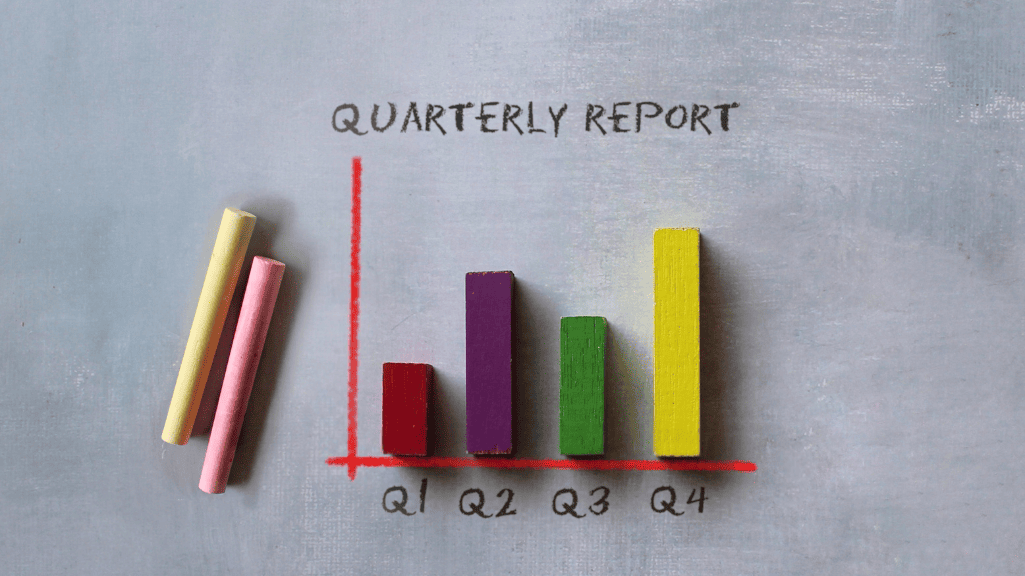
Cash flow visibility and decision-making throughout the year
Monthly bookkeeping gives owners up-to-date insights into cash flow, expenses, and profits. This visibility supports faster decisions on hiring, inventory, or marketing investments. Quarterly bookkeeping may leave you guessing for weeks before key financial information becomes available.
Monthly vs quarterly bookkeeping for small businesses explained
The choice between monthly vs quarterly bookkeeping for small businesses depends on transaction volume, growth pace, and how often you need accurate financial data to operate confidently.
Businesses with higher revenue or complex operations often benefit from monthly reviews. To understand the full impact, read why bookkeeping is important for tax season before you decide.

How bookkeeping timing affects tax preparation
Bookkeeping frequency directly affects how smoothly your tax filing goes. Monthly bookkeeping makes year-end preparation faster and reduces errors that may draw IRS attention. Quarterly bookkeeping requires heavier cleanup before filing.
Either approach must align with your tax planning strategy to deliver real, sustained value.
Choosing the right approach based on business stage
Startups with low transaction volume may begin with quarterly bookkeeping, then shift to monthly as operations grow. Mature businesses with employees, multiple revenue streams, or higher expenses generally need monthly visibility.
Reviewing monthly vs quarterly bookkeeping for small businesses with a professional helps you choose the approach that supports your goals best.

Find the Right Bookkeeping Rhythm with YCCTAX
At YCCTAX, we help small business owners build the financial structure they need to grow with confidence.
Whether you need bookkeeping, tax management, or complete accounting services, our team adapts to your business stage.
Visit our services pageor contact us to get started today.