Being your own boss comes with real freedom — and real tax responsibilities.
Unlike traditional employees, self-employed individuals must manage their own taxes for self-employed professionals, including income tax and self-employment tax obligations that can add up quickly without proper planning.
Self-employment tax basics every professional should understand
Self-employed professionals pay both the employee and employer portions of Social Security and Medicare taxes, totaling 15.3% on net earnings — in addition to regular federal and state income tax.
The IRS Self-Employed Tax Center provides detailed guidance on these obligations.

Deductible business expenses that lower taxable income
One of the biggest advantages for the self-employed is the wide range of available deductions.
Office expenses, professional software, health insurance premiums, retirement contributions, and business travel are all potentially deductible.
Strategic tax planning helps you identify and document these deductions throughout the year.
Our guide on tax strategies to reduce taxable income walks through many of these opportunities in practical detail.
Taxes for self employed professionals and estimated payments
The IRS requires self-employed individuals who expect to owe $1,000 or more in taxes to pay quarterly estimated taxes.
Missing these payments results in underpayment penalties that accumulate fast.
Managing taxes for self-employed professionals means tracking income monthly and setting aside a percentage for quarterly obligations.
This keeps cash flow steady and avoids costly last-minute scrambles.
Recordkeeping practices that simplify tax filing
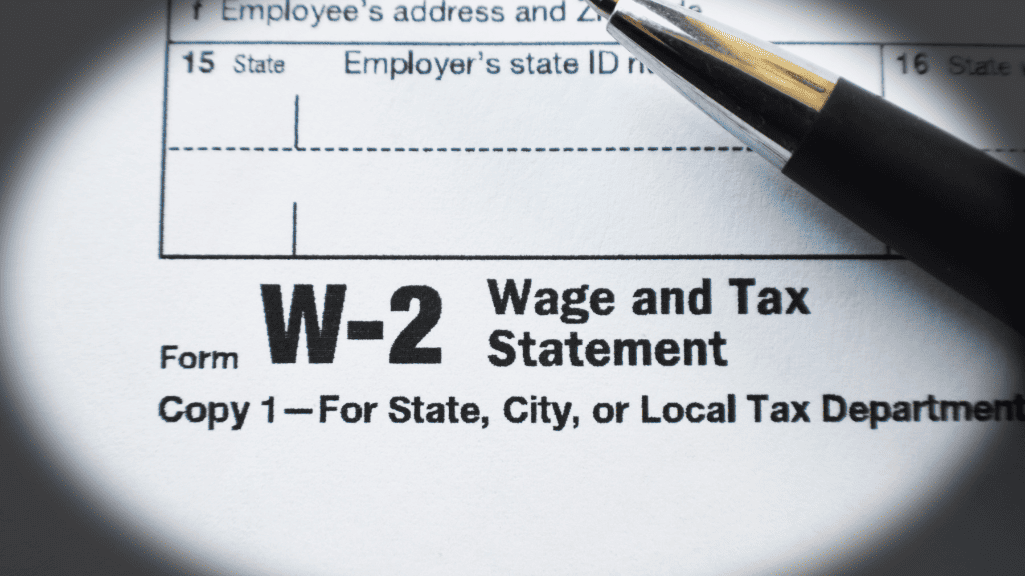
Good recordkeeping is non-negotiable. Without proper documentation, you risk losing deductions or facing IRS scrutiny.
Accounting services — including bookkeeping and expense tracking — make this process far more manageable.
If you’re a freelancer, our guide on accounting for freelancers offers practical tips for managing your finances like a pro.
How tax planning improves financial stability year round
The most financially stable self-employed professionals don’t just file taxes — they plan year-round.
A strong tax planning strategy includes choosing the right business structure, timing income and deductions, and maximizing retirement accounts.
This approach protects income and creates a foundation for sustainable growth.
Explore our full range of services to see how YCCTAX supports self-employed professionals at every stage.

Let YCCTAX Take the Complexity Out of Self-Employment Taxes
Managing taxes for self-employed professionals doesn’t have to be overwhelming.
At YCCTAX, we provide personalized guidance to help freelancers, consultants, and independent professionals stay compliant and financially healthy.
Visit our services page or contact us to get started today.